I’ve spent most of my working life handling Tree Removal & Tree Lopping across Brisbane’s southside, and I can tell you straight away: people often underestimate how complex trees become once they’ve matured near homes, sheds, pools, or fences. Anytime a homeowner tells me they’re looking for services—usually after finding options such as www.chipofftheoldblock.com.au—I think back to the situations that taught me just how unpredictable and rewarding this work can be.
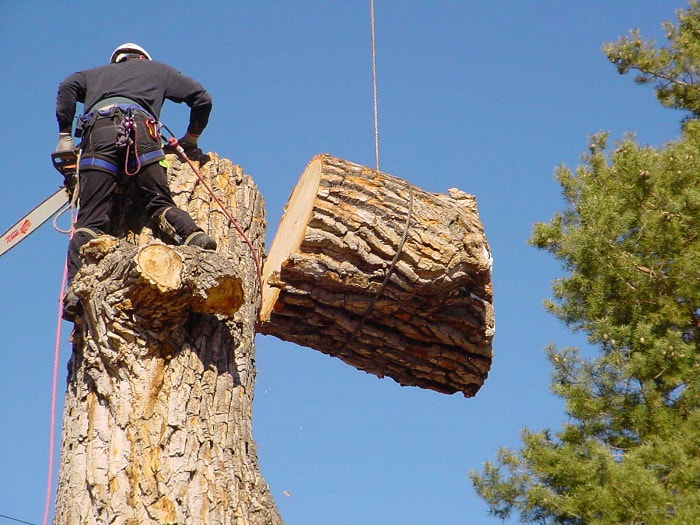
I started as a ground crew hand, dragging branches and running ropes. Eventually I became a qualified climbing arborist, and those years have given me a sense for how trees behave under stress, what can be saved, and what simply has to go for safety’s sake.
How I Learned the Difference Between a “Simple” Job and a Serious Hazard
One of my earliest calls on the southside was from a family who thought they just needed a tidy-up on their poinciana. They’d been living with low-hanging limbs scraping their roof whenever the wind picked up. The moment I climbed into that canopy, I felt the whole structure shift in a way poincianas shouldn’t. The tree had hidden rot—something I’ve come across many times since—which meant those limbs weren’t just messy; they were hanging over the roof like loaded springs.
We ended up removing the affected sections and reducing the canopy, and the homeowner later told me they hadn’t slept properly for months because every storm sounded like a disaster waiting to happen. That job shaped how I approach every inspection: I never assume a tree just needs “a quick lop.”
Why Lopping Isn’t Just About Cutting Branches
People sometimes ask why I’m so cautious with lopping. I’ve seen what rushed or overly aggressive cuts do. A customer last spring hired me after a previous contractor had stripped too much off their gum tree. The tree responded by sending up what we call epicormic growth—long, weak shoots that look fine at first but snap easily.
That family’s trampoline sat right underneath those shoots. All it took was one gusty afternoon for a branch to come down. Fortunately no one was outside, but moments like that remind me that my job is equal parts safety and tree health. A good lopping job shapes the tree carefully so it grows strong, rather than stressed.
Why Tree Removal Isn’t Always the First Answer
I’ve also talked several southside homeowners out of full removal when the tree itself wasn’t the problem. Sometimes roots aren’t damaging pipes—they’re just chasing moisture from existing cracks. Other times people worry about height alone, even though the species is perfectly stable on that soil type.
That said, there are times removal is the only responsible recommendation. A jacaranda I inspected a few years back had a split so deep you could see daylight through the trunk. No amount of cabling or pruning would have made it safe. Removing it wasn’t easy—the yard was narrow, and we had to lower each limb by hand—but I still think about that job because the owner told me later that watching the process gave them a whole new appreciation for how much skill and teamwork this work demands.
The Work Behind a Clean, Safe Result
People often assume tree services are just about chainsaws and trucks. The truth is, most of my day is spent calculating load, angles, rigging points, and the safest removal sequence. On Brisbane’s southside in particular, the mix of older suburbs and tight yards means I’ve done removals where we didn’t let a single branch touch the ground until it was secured.
I remember one job where we had to dismantle a leaning ironbark over a pool. Every limb had to be swung away from the water and lowered between two narrow fence lines. The owner watched the whole process, shaking their head because they hadn’t realised how much planning went into avoiding damage. That’s why I tell people that choosing an arborist isn’t just about price—it’s about trusting someone to understand forces, weight, decay patterns, and how trees fail.
What I Want Homeowners to Know
If you’re dealing with overgrown, storm-damaged, or potentially hazardous trees in Brisbane, especially in the southside suburbs, my strongest advice is to bring in someone who genuinely understands the species and the local conditions. Gum trees, poincianas, leopard trees, and jacarandas all behave differently when pruned or stressed. The wrong cut today can create a bigger problem a year from now.
A skilled arborist should walk your property, explain what they’re seeing in plain language, and recommend options that consider both safety and long-term structure. The goal isn’t just a tidy yard—it’s a tree that behaves predictably and safely.