I have spent years working as a small tree crew lead in central New Jersey, handling removals around older homes, narrow driveways, garages, fences, and overhead service lines. Somerville jobs often demand more planning than people expect because a mature tree can sit within 15 feet of several things that cannot be damaged. I have learned to study the property before I ever think about starting a saw. Good removal work begins on the ground.
Why I Spend So Much Time Planning the Drop Zone
I rarely arrive at a Somerville property and immediately decide how the tree will come down. I first walk around the trunk, look at the natural lean, check the crown, and study nearby structures from several angles. A tree that appears to lean toward an open lawn from the driveway may actually have most of its crown extending toward a roof. That difference can completely change the removal plan.
Access matters almost as much as tree size. I once worked on a mature maple where the trunk was fairly straightforward, but the only usable access point was a driveway barely wide enough for our equipment. We had to organize the work so brush moved out continuously while rigging ropes stayed clear of the driveway. A few extra minutes of planning saved us from constantly moving gear later.
I also pay close attention to dead limbs before anyone works beneath the canopy. A branch only 3 inches thick can cause serious damage after falling from a mature tree, especially if decay has weakened the attachment point. Some deadwood is obvious from the ground, while other pieces become visible only after I change viewing angles. I treat those branches as hazards before the main removal even starts.
Power lines create another layer of concern. I do not treat a tree beside electrical conductors like an ordinary backyard removal, and homeowners should never assume that ropes or basic climbing equipment make electrical hazards manageable. The work method has to reflect the actual clearance and conditions on site. Sometimes that means changing equipment or involving the appropriate utility.
What I Look for Before Recommending Removal
I do not recommend removing every tree with a hollow, dead branch, or visible defect. Some trees can remain useful parts of a property after targeted pruning or other corrective work, depending on their condition and surroundings. I become more concerned when several problems appear together, such as major decay near the base combined with a heavy lean toward a house. Context changes the decision.
Homeowners sometimes ask me where they can begin researching local removal help after discovering a tree that looks unstable. One resource they may come across while comparing options is tree removal somerville especially when they want to see how a local service describes its work. I still suggest judging any company by the actual site assessment, proposed work method, insurance details, and clarity of the estimate.
Root problems deserve careful attention as well. I have inspected trees where the crown still looked reasonably healthy, yet soil movement and lifting around one side of the root plate raised much bigger concerns. After strong wind, fresh cracks in the soil near the base can tell me more than a quick glance at the leaves. Those details should not be ignored.
Fungal growth can also influence my inspection, although I never identify the entire condition of a tree from one mushroom or conk alone. Location matters. Growth appearing directly around a large structural root may deserve more attention than fungi growing on unrelated buried wood several feet away. I prefer looking at the whole tree before forming an opinion.
Why Controlled Dismantling Is Common on Tight Lots
Many homeowners picture tree removal as making a cut near the bottom and letting the entire tree fall. I rarely have that luxury on residential jobs. If a house, shed, fence, pool, or neighboring yard occupies the available space, I usually think in smaller pieces. Some removals may require dozens of individual cuts before the main stem reaches ground level.
Rigging is one of the techniques I rely on when branches cannot simply fall. A climber or lift operator can secure a limb with rope before cutting it, allowing the ground crew to lower that piece into a controlled area. On one job last summer, a large limb stretched directly across a detached garage, leaving almost no acceptable free-drop zone. We lowered it section by section instead.
Piece size matters. A section that looks manageable while suspended 40 feet up can generate considerable force once gravity starts moving it through a rigging system. I would rather handle several controlled pieces than create one oversized piece that puts unnecessary load on ropes, equipment, or the remaining tree. Faster is not always safer.
The ground crew plays a major role during this stage. I depend on clear communication between the person making cuts and the workers controlling ropes below. Everyone needs to know where the next piece is going before the saw touches wood. Confusion has no place here.
How Property Access Changes the Entire Job
Equipment access can turn a simple-looking removal into a complicated one. A bucket truck is useful only if I can position it where the boom has a practical working angle and the ground can support the vehicle safely. A backyard gate measuring roughly 4 feet wide will obviously limit what machinery can pass through. That may shift more of the work toward climbing, compact equipment, or manual hauling.
I also look above the access route, not just across the ground. Low utility lines, ornamental branches, roof overhangs, and narrow turns can prevent a truck from reaching a location that appears accessible on a property map. I once arrived at a job where the driveway had enough width, yet a low branch over the entrance prevented our larger vehicle from getting through safely. We adjusted the equipment plan instead of forcing it.
Soft ground deserves respect too. After several rainy days, heavy machinery can leave deep ruts or become difficult to maneuver on a lawn that seemed firm during the estimate. Ground protection mats can help in suitable situations, but they do not make every surface capable of supporting every machine. I would rather modify the setup than leave unnecessary property damage behind.
What Homeowners Should Expect After the Tree Is Down
Cutting the tree is only part of the job. Once the last trunk section reaches the ground, there may still be a large amount of brush, logs, sawdust, and smaller debris to handle. A mature hardwood can produce far more material than homeowners expect from looking at it while it is standing. Cleanup planning should be discussed before work begins.
I like estimates to make debris handling clear. Some customers want every log removed, while others keep a few manageable sections for firewood or landscaping uses. Stump grinding is usually a separate step from taking the standing tree down, so I make sure that point is understood as well. A stump left 6 inches above grade creates a very different finished result from one that is ground below the surrounding surface.
Grinding also does not remove every root extending through the yard. The machine generally concentrates on the stump and accessible flare around the base, while larger roots farther away remain in the soil and break down over time. Homeowners planning a patio, foundation, or other construction in that exact spot may need to consider additional excavation. I prefer discussing the intended use of the area before deciding how much stump work makes sense.
Why I Prefer Clear Estimates Over Cheap Estimates
Tree removal prices can vary widely even between trees that look similar from the street. Height is only one factor. Access, decay, rigging requirements, nearby structures, equipment needs, disposal volume, and stump work can all influence the amount of labor involved. Two 50-foot trees can require completely different setups.
I become cautious when an estimate does not explain what is actually included. A homeowner should know whether the crew plans to remove debris, how the stump is being handled, and whether certain logs remain on site. Clear scope prevents arguments after the tree is already on the ground. It also makes competing quotes easier to compare.
I have seen customers choose a lower estimate and later discover that major cleanup or stump work was excluded. The final cost was no longer as attractive once those pieces were added separately. Price matters, but I pay attention to how clearly the work has been defined. Uncertainty can become expensive.
The Small Details I Check Before Starting Work
On the morning of a removal, I still inspect the tree again even if I evaluated it several days earlier. Weather can change conditions, and a broken limb may appear after overnight wind or rain. I also check where vehicles are parked, whether gates are unlocked, and whether outdoor furniture has been moved from the work area. These details can affect the first 20 minutes of the job.
I want pets and unnecessary foot traffic kept away from the active work zone. Tree crews need predictable space while ropes, brush, machinery, and cut wood are moving. Even a small branch can bounce or roll differently after contacting another limb or the ground. Controlled access makes the job easier for everyone.
Communication with neighbors can help on tight properties too. If branches overhang another yard or temporary access might be needed, sorting that out beforehand is much better than stopping halfway through the removal. I have seen simple jobs become frustrating because nobody discussed a shared fence line until equipment was already set up. Ten minutes of conversation can prevent that problem.
After years of removing trees around homes and businesses, I still believe the best jobs are the ones that feel uneventful to the property owner. The tree comes down in controlled pieces, the structures stay untouched, and the site is left in the condition everyone agreed on beforehand. That result usually comes from careful inspection rather than aggressive cutting. I would choose a well-planned removal every time.
I have worked as an arborist on the Mornington Peninsula for more than a decade, and tree removal in Rosebud has taught me that no two jobs ever unfold the same way. Some days I remove a small tree leaning over a shed, while other days I spend hours planning how to dismantle a giant gum tree without disturbing nearby homes. I enjoy the challenge because each property has its own character and every tree tells a story. Experience has shown me that patience and preparation matter far more than rushing through a job.
Why Every Tree Needs Its Own Removal Plan
People sometimes assume tree removal is simply cutting a tree down and hauling it away. I know from experience that the first hour on site is often spent walking around the tree, checking its structure, and looking for hazards hidden from view. I pay attention to signs of decay, power lines overhead, and the direction the tree naturally wants to lean.
Rosebud has a mix of coastal winds, sandy soil, and established gardens, which creates some unique challenges. I have seen healthy looking trees develop unstable root systems after years of exposure to salt and strong weather. A tree standing 12 metres high can behave very differently from one of the same size only a few streets away. Small details matter.
One customer last spring was convinced their old gum tree could be dropped in a single piece. After inspecting the property, I realised the branches extended over a pergola, a fence, and part of the neighbour’s driveway. We spent extra time rigging sections carefully and lowering them with ropes. The job took longer, yet the property remained untouched.
I still remember my early years in the trade when I underestimated how unpredictable trees could be. A branch that looks solid from the ground may be hollow inside. Weather can change quickly too. I never treat any removal as routine.
Working Safely Around Homes and Gardens
Most tree removals I handle in Rosebud happen in residential areas where space is limited. Houses are often surrounded by gardens that homeowners have spent years creating, so protecting those spaces is part of my job. I place mats on delicate areas and think several steps ahead before making the first cut.
Many residents ask me where they can learn more about local services before committing to a project. I often suggest they read about tree removal Rosebud because understanding the process helps people feel more comfortable with the decisions they make. Knowledge reduces surprises.
I once worked on a property where the owners had a vegetable garden only a few metres from the tree base. They were worried heavy timber would crush their raised beds. My crew spent extra time setting up rigging equipment so every section was lowered slowly and guided into a safe area. The vegetables survived, and the owners were relieved.
Communication is a large part of safety. Before starting, I explain where equipment will go, how long the job may take, and what noise to expect. People appreciate honesty. It builds confidence before the chainsaws even start.
The Equipment I Depend On
My truck carries more gear than most people expect. Chainsaws of different sizes, climbing ropes, helmets, lowering devices, and protective mats all serve a purpose. Each piece has earned its place because I have relied on it repeatedly over the years.
Some removals require climbing, while others are better suited to an elevated work platform. I decide which method to use after assessing the site carefully. A tall pine in an open yard might be straightforward, but a spreading gum squeezed between homes often demands more specialised equipment and a slower pace.
I inspect my gear constantly. Ropes wear out over time and chains lose their edge. Replacing equipment costs money, sometimes several thousand dollars across a season, yet I never see it as optional. Safe equipment protects my crew and the people who trust us with their property.
There are mornings when I spend nearly 30 minutes checking everything before leaving the yard. That time is never wasted. Problems discovered early are easier to solve than mistakes made high above the ground.
What Homeowners Often Ask Me
The most common question I hear is whether a tree really needs to come down. I like that people ask because removal should not always be the first option. In many cases, pruning or reducing weight in the canopy is enough to keep a tree healthy and safe.
Another frequent question involves timing. People want to know if winter is better than summer or if waiting another year makes sense. My answer depends on the species, the tree’s health, and the risks involved. Sometimes waiting is perfectly reasonable. Other times I advise acting sooner because deterioration rarely reverses itself.
Cost comes up in nearly every conversation. I understand why. Tree removal is specialised work that requires training, insurance, and expensive equipment, so prices vary based on difficulty and risk. I always encourage people to ask questions and understand what they are paying for.
Some homeowners are surprised by the amount of cleanup involved. Branches, leaves, sawdust, and large timber pieces accumulate quickly during a removal. My team spends considerable time leaving the site tidy because the job is not finished until the property looks cared for again.
Why Experience Still Matters
After years of removing trees, I still approach each project with caution and curiosity. Experience does not eliminate risks, yet it teaches me where problems are likely to appear and how to adapt when plans change. That confidence only comes from many seasons of working outdoors in different conditions.
I have worked through hot summers, windy afternoons, and weeks of heavy rain. Every season teaches something new. Trees continue to surprise me, which is one reason I still enjoy this work.
The best days are not always the biggest jobs. Sometimes they are the quiet mornings where a homeowner watches nervously at first, then smiles once the difficult tree is gone and the yard feels open again. Those moments remind me why I chose this trade and why I still look forward to the next job waiting in Rosebud.
I work as a climbing arborist around Melbourne’s outer east, and Heathmont has its own feel once you start looking at the trees properly. I have worked on small backyard maples, old gums leaning over garages, and tight side-access removals where the chipper had to sit 40 metres from the trunk. I am usually the person in the harness, not just the person quoting from the driveway. That changes how I think about risk, pruning, and the mess left behind.
Why Heathmont Trees Can Be Tricky From One Street to the Next
I find Heathmont interesting because a tree can behave very differently depending on which side of the hill it sits on. One block might have shallow, dry soil around a tired eucalypt, while the next has heavier ground holding moisture around ornamental pears. I have seen two similar trees on the same street need completely different work because one had wind exposure and the other was protected by a brick house and a high fence. Small differences matter.
The older properties often have trees that were planted for shade long before the current owners moved in. I once worked for a customer last spring who thought her gum looked fine because the canopy was still full, but the lower trunk had a long seam and soft tissue near the base. We did a careful reduction first and planned the removal for later, rather than rushing into a risky cut on a wet day. That sort of staged decision can save several thousand dollars in damage and a lot of stress.
I also pay attention to access before I talk too much about methods. A tree over a rear fence is not the same job as a tree beside a clear driveway, even if the height is nearly identical. In Heathmont, I often see narrow gates, steep garden steps, and services running close to trunks. Those details shape the whole job.
What I Look For During a Proper Tree Inspection
My first walk around a tree is slow. I look at the root flare, trunk movement, old wounds, fungal brackets, included bark, and how the canopy weight is sitting. I also look away from the tree, because cracked paving, lifted sleepers, blocked gutters, and fence movement can tell me what the owner has been living with for years. The tree rarely gives just one clue.
If a homeowner wants another opinion before booking work, I may point them toward a local service such as arborist Heathmont so they can compare advice from someone who understands the area. I do not mind a customer getting a second set of eyes on a large tree, especially if the job involves a boundary line or a structure. A calm decision is better than a fast one made after a branch has already failed.
I try to separate fear from actual risk during inspections. A tall tree is not automatically dangerous, and a small tree is not automatically harmless. I have removed 6 metre pittosporums that were doing more damage to drains than much larger gums nearby. I have also talked people out of removing trees that only needed two or three sensible pruning cuts.
One thing I never ignore is the sound of the tree under load. If I am climbing, I listen to how limbs respond as I move, and I watch how the canopy shifts when the wind comes through. From the ground, I may use a mallet or probe in certain areas, but I do not pretend every defect can be diagnosed by tapping bark. Some decisions need inspection, history, and experience lined up together.
Pruning Choices I Trust More Than Heavy Cutting
I prefer pruning that respects the tree’s shape and the reason it is causing trouble. Cutting everything back hard might make a customer feel safer for a month, but it can leave weak regrowth and sunburned limbs. I see this often on lilly pillies, liquidambars, and older ornamentals that have been hacked back every second year. The tree remembers bad cuts.
For clearance over roofs, I usually aim for clean separation without creating a flat wall of foliage. A roof may only need 1 or 2 metres of clearance, depending on the branch position and the species. I have seen people pay for huge reductions when a few selective cuts would have solved the gutter problem. Good pruning looks almost boring from the street.
I also think about where the next growth will go. If I remove a limb back to a poor point, I have just created another problem for the next crew. A proper branch collar cut, a reduction to a suitable lateral, and a clean tool can make a big difference over the next 3 years. That is where the craft sits.
Some trees should not be pushed too far in one visit. I have worked on stressed trees where I would rather take less than the owner expected and return later if the tree responds well. That can feel cautious, but it is often the better call. Trees decline quietly.
How I Approach Removals in Tight Heathmont Yards
Tree removal is not just cutting from the top down. In many Heathmont yards, I plan the lowering path before I put on the harness, because sheds, fences, clotheslines, and garden beds all sit under the work zone. A 20 metre tree in a clear paddock is simple compared with a 10 metre tree boxed in by three neighbours. Access sets the pace.
I usually break the job into small decisions. Where will the rigging point sit, where can the ground crew stand safely, and where will the timber be stacked before it leaves the property. On one job near a sloping driveway, we had to hand carry rounds in pairs because the machine could not get close enough without damaging the edging. That added time, but it protected the property.
I have no patience for rushing around power lines or brittle limbs. If the job needs a shutdown, extra equipment, or a different crew size, I say so before the work starts. A homeowner may not like hearing that a removal needs more setup, but they like smashed tiles and broken fences even less. Care is cheaper than repairs.
Stump decisions also deserve a proper talk. Grinding 200 millimetres below ground may be enough for turf, while a future retaining wall or new planting bed may need a deeper grind and more cleanup. I ask what the customer wants to do with the space afterward. The stump is part of the job, not an afterthought.
Permits, Neighbours, and the Small Details That Keep Jobs Calm
I always ask about council rules before I give firm advice on removal. In this part of Melbourne, tree controls can depend on species, size, overlays, and the exact location of the property. I do not guess from the footpath if a protected tree might be involved. I would rather spend 10 minutes checking than leave a customer with a fine or a neighbour dispute.
Neighbours matter more than people think. Overhanging limbs, shared fences, blocked light, and falling leaves can turn a simple prune into a tense conversation. I have found that a plain note or quick chat before the crew arrives prevents many complaints. People handle chainsaws better when they know what is happening.
I also care about cleanup because it is the part homeowners remember after the noise stops. A sharp saw cut and a safe climb are my pride, but the customer sees the rake lines, the swept driveway, and whether mulch was left where they asked. On a normal residential job, we might fill a full truck with chip before lunch. That is a lot of material moving through one garden gate.
For me, good arborist work in Heathmont is practical, careful, and honest about limits. I do not think every tree needs saving, and I do not think every tree should come down because it drops leaves. I look for the option that makes the property safer while still respecting why the tree was valued in the first place. That is the balance I try to bring to every quote and every climb.

As a landscaping professional with over a decade of hands-on experience, I’ve seen how thoughtful planning and execution can transform any outdoor area. That’s why I was impressed the first time I worked with Landscaping Design Vancouver on a client’s property in the city. Their team approaches every project with both creativity and practical expertise, ensuring that plants, pathways, and hardscaping not only look beautiful but also thrive over time. I’ve found that their attention to detail and understanding of the Vancouver climate makes them stand out in a crowded field.
One project that remains vivid in my memory involved a homeowner who had just bought an older property with a backyard that was uneven, overgrown, and prone to flooding after heavy rains. Landscaping Design Vancouver suggested regrading key sections, replacing a few struggling shrubs with native perennials, and installing a subtle drainage system. Within months, the yard went from being barely usable to a functional and inviting space. The client’s excitement reminded me that proper preparation and plant selection are as critical as design aesthetics.
Another example was a small urban courtyard for a townhouse complex. The client wanted a space that could be enjoyed year-round but had limited sunlight and tight dimensions. Landscaping Design Vancouver assessed sun exposure, soil conditions, and maintenance requirements before creating a layered design that incorporated low-maintenance plants, modular seating, and subtle lighting. Watching the courtyard transform into a cozy retreat showed me how technical expertise paired with creative problem-solving can elevate even small outdoor spaces.
I’ve also encountered situations where maintenance is underestimated. A customer last spring requested flowering shrubs and ornamental grasses that would offer seasonal interest without demanding constant care. The team recommended hardy, low-maintenance species and positioned them to reduce pruning and watering needs. The client later told me how easy it was to enjoy a flourishing garden without feeling overwhelmed—a practical balance that many homeowners struggle to achieve.
From my perspective, working alongside Landscaping Design Vancouver demonstrates that creating outdoor spaces that last requires both experience and careful planning. Their combination of creativity, technical skill, and practical problem-solving consistently produces gardens and yards that are not only visually appealing but also sustainable for years to come.
I’ve spent most of my working life handling Tree Removal & Tree Lopping across Brisbane’s southside, and I can tell you straight away: people often underestimate how complex trees become once they’ve matured near homes, sheds, pools, or fences. Anytime a homeowner tells me they’re looking for services—usually after finding options such as www.chipofftheoldblock.com.au—I think back to the situations that taught me just how unpredictable and rewarding this work can be.
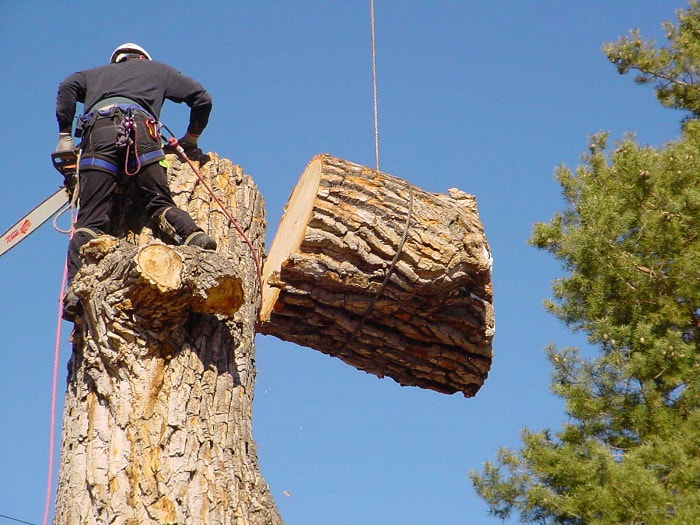
I started as a ground crew hand, dragging branches and running ropes. Eventually I became a qualified climbing arborist, and those years have given me a sense for how trees behave under stress, what can be saved, and what simply has to go for safety’s sake.
How I Learned the Difference Between a “Simple” Job and a Serious Hazard
One of my earliest calls on the southside was from a family who thought they just needed a tidy-up on their poinciana. They’d been living with low-hanging limbs scraping their roof whenever the wind picked up. The moment I climbed into that canopy, I felt the whole structure shift in a way poincianas shouldn’t. The tree had hidden rot—something I’ve come across many times since—which meant those limbs weren’t just messy; they were hanging over the roof like loaded springs.
We ended up removing the affected sections and reducing the canopy, and the homeowner later told me they hadn’t slept properly for months because every storm sounded like a disaster waiting to happen. That job shaped how I approach every inspection: I never assume a tree just needs “a quick lop.”
Why Lopping Isn’t Just About Cutting Branches
People sometimes ask why I’m so cautious with lopping. I’ve seen what rushed or overly aggressive cuts do. A customer last spring hired me after a previous contractor had stripped too much off their gum tree. The tree responded by sending up what we call epicormic growth—long, weak shoots that look fine at first but snap easily.
That family’s trampoline sat right underneath those shoots. All it took was one gusty afternoon for a branch to come down. Fortunately no one was outside, but moments like that remind me that my job is equal parts safety and tree health. A good lopping job shapes the tree carefully so it grows strong, rather than stressed.
Why Tree Removal Isn’t Always the First Answer
I’ve also talked several southside homeowners out of full removal when the tree itself wasn’t the problem. Sometimes roots aren’t damaging pipes—they’re just chasing moisture from existing cracks. Other times people worry about height alone, even though the species is perfectly stable on that soil type.
That said, there are times removal is the only responsible recommendation. A jacaranda I inspected a few years back had a split so deep you could see daylight through the trunk. No amount of cabling or pruning would have made it safe. Removing it wasn’t easy—the yard was narrow, and we had to lower each limb by hand—but I still think about that job because the owner told me later that watching the process gave them a whole new appreciation for how much skill and teamwork this work demands.
The Work Behind a Clean, Safe Result
People often assume tree services are just about chainsaws and trucks. The truth is, most of my day is spent calculating load, angles, rigging points, and the safest removal sequence. On Brisbane’s southside in particular, the mix of older suburbs and tight yards means I’ve done removals where we didn’t let a single branch touch the ground until it was secured.
I remember one job where we had to dismantle a leaning ironbark over a pool. Every limb had to be swung away from the water and lowered between two narrow fence lines. The owner watched the whole process, shaking their head because they hadn’t realised how much planning went into avoiding damage. That’s why I tell people that choosing an arborist isn’t just about price—it’s about trusting someone to understand forces, weight, decay patterns, and how trees fail.
What I Want Homeowners to Know
If you’re dealing with overgrown, storm-damaged, or potentially hazardous trees in Brisbane, especially in the southside suburbs, my strongest advice is to bring in someone who genuinely understands the species and the local conditions. Gum trees, poincianas, leopard trees, and jacarandas all behave differently when pruned or stressed. The wrong cut today can create a bigger problem a year from now.
A skilled arborist should walk your property, explain what they’re seeing in plain language, and recommend options that consider both safety and long-term structure. The goal isn’t just a tidy yard—it’s a tree that behaves predictably and safely.
In the heart of Arizona, where the desert meets suburban living, East Valley Landscape Design has emerged as a vital service for homeowners looking to enhance both the beauty and functionality of their outdoor spaces. With its unique climate and environmental challenges, the East Valley requires a special approach to landscaping—one that blends aesthetic appeal with sustainability and practicality.
East Valley Landscape Design is more than just arranging plants and paving patios; it’s about crafting a lifestyle. Residents of communities like Mesa, Chandler, Gilbert, and Tempe are increasingly seeking outdoor environments that reflect their personalities while offering a retreat from daily life. Landscape design in this region often incorporates desert-adaptive plants, drought-tolerant features, and hardscapes that can withstand intense sun and occasional monsoon rains—all hallmarks of a well-executed East Valley Landscape Design.
What sets East Valley Landscape Design apart is its focus on balance between nature and architecture. Professionals in the area are trained to assess the unique topography, soil conditions, and sun exposure of each property. This expertise allows them to recommend plants and materials that not only thrive in the East Valley but also enhance curb appeal and property value. The thoughtful integration of design and local knowledge makes East Valley Landscape Design a smart investment for homeowners.
Water conservation is a top priority in Arizona, and East Valley Landscape Design services take this challenge seriously. Xeriscaping, a landscaping method that reduces or eliminates the need for irrigation, is a popular technique among designers in the region. By choosing native plants and efficient irrigation systems, East Valley Landscape Design professionals help homeowners save money on utility bills while contributing to a more sustainable community.
Functionality is another cornerstone of East Valley Landscape Design. Outdoor living has become an extension of the home, especially in a climate where year-round sunshine is common. Designers often include features such as built-in grills, pergolas, fire pits, and custom seating areas to create outdoor “rooms” that are perfect for entertaining or relaxing. Through East Valley Landscape Design, backyards become places for gathering, recreation, and tranquility.
One of the most exciting trends in East Valley Landscape Design is the fusion of modern design principles with traditional desert elements. Clean lines, geometric shapes, and minimalist planting schemes are being integrated with natural stone, cacti, and agaves to create sophisticated and low-maintenance landscapes. This contemporary twist on classic desert landscaping is gaining popularity among both new homeowners and those renovating older properties.
In addition to residential projects, East Valley Landscape Design plays a significant role in commercial developments. Businesses understand the importance of a professional, welcoming exterior—first impressions count. A thoughtfully designed landscape can elevate the image of a business and create a more pleasant experience for clients and employees. From office parks to retail centers, East Valley Landscape Design brings value through its combination of form, function, and environmental responsibility.
Sustainability is not just a buzzword in East Valley Landscape Design; it’s a foundational principle. The use of solar lighting, permeable paving materials, and rainwater harvesting systems demonstrates a commitment to eco-friendly practices. Homeowners and businesses alike are becoming more conscious of their environmental footprint, and landscape designers in the East Valley are rising to meet that demand with innovative solutions.
The process of East Valley Landscape Design typically begins with a consultation and site analysis. Designers take time to understand the client’s vision, budget, and how the space will be used. From there, they develop a comprehensive plan that includes plant selection, layout, irrigation, and construction details. This personalized approach ensures that each East Valley Landscape Design project is unique, reflecting the specific needs and style preferences of the property owner.
For those seeking to increase their property value, East Valley Landscape Design is a proven strategy. Homes with well-designed landscaping tend to sell faster and at higher prices. A professionally landscaped yard adds curb appeal, creates usable outdoor space, and signals that a home has been well cared for. As the real estate market in the East Valley continues to grow, investing in high-quality landscape design is a wise move.
In conclusion, East Valley Landscape Design is more than an aesthetic enhancement—it’s a holistic approach to outdoor living that combines beauty, function, and sustainability. Whether you’re looking to create a serene backyard escape, a vibrant entertainment space, or an eco-conscious commercial property, East Valley Landscape Design offers the expertise and creativity to bring your vision to life. With its focus on regional needs and innovative techniques, it continues to shape the East Valley’s outdoor environments into spaces of lasting value and enjoyment.
When it comes to maintaining the beauty, safety, and health of your property, few things are as essential as proper tree care. At Longtree Tree Services, we bring decades of experience, a commitment to safety, and a passion for trees to every project we undertake. Serving both residential and commercial clients, Longtree Tree Services has built a reputation for quality, reliability, and excellent customer service.
Comprehensive Tree Care Solutions
Longtree Tree Services offers a full range of tree care and maintenance services tailored to meet the needs of every property. Whether you’re dealing with a hazardous tree after a storm or simply want to improve the look of your yard, we have the tools and expertise to help. Our core services include:
Tree Removal: Safe and efficient removal of dead, dying, or unwanted trees.
Tree Trimming and Pruning: Enhancing tree health and appearance while minimizing risks.
Stump Grinding: Complete stump removal to restore the beauty and safety of your landscape.
Emergency Tree Services: 24/7 response for storm damage and urgent tree hazards.
Tree Health Assessments: Diagnosis and treatment for pests, disease, and other health issues.
We work closely with each client to create a customized plan that suits the specific needs of their trees and landscape.
Safety Comes First
Tree work is dangerous, especially when it involves large trees, proximity to power lines, or extreme weather conditions. At Longtree Tree Services, safety is our top priority. Our team is fully licensed and insured, and we use the latest equipment and techniques to ensure the job is done right the first time. We also adhere strictly to industry safety standards and guidelines, giving our clients peace of mind that their property—and their family—is in good hands.
Experienced and Certified Arborists
The heart of Longtree Tree Services is our team of skilled professionals. Our certified arborists bring years of experience and training to every job, ensuring trees are handled with care and knowledge. From understanding the growth patterns of different species to knowing how to treat disease and decay, our arborists provide expert advice and solutions to keep your trees healthy and thriving.
Environmentally Responsible Practices
At Longtree Tree Services, we believe in protecting the environment while we care for trees. We recycle all tree debris, use eco-friendly equipment where possible, and follow best practices to minimize our ecological footprint. Whether we’re pruning a tree to improve sunlight for your garden or removing invasive species that harm local ecosystems, our approach is always guided by sustainability.
Why Choose Longtree Tree Services?
There are plenty of tree service companies out there, but what sets Longtree apart is our dedication to customer satisfaction and our personal approach. We treat every property as if it were our own, and we take pride in building long-term relationships with our clients. Here’s what you can expect when you work with us:
Prompt, reliable service
Clear communication and honest pricing
Skilled and courteous crew members
Meticulous cleanup after every job
Free consultations and detailed estimates
Our goal is not just to meet expectations—but to exceed them.
Testimonials from Satisfied Clients
Our clients often speak to the quality of our work and our professional demeanor. Here are just a few of the comments we’ve received:
“Longtree Tree Services took down a huge oak tree that was leaning dangerously over our house. They were fast, professional, and cleaned up everything perfectly.” — Rachel T., Homeowner
“I’ve used Longtree for regular pruning and storm cleanup, and they’re always responsive and fairly priced. Highly recommend!” — Mark D., Property Manager
“Their arborist explained everything clearly and gave me options that fit my budget. You can tell they care about trees and their customers.” — Jamie L., Business Owner
Get in Touch with Longtree Tree Services
Whether you need a one-time service or ongoing tree care, Longtree Tree Services is here to help. We offer free consultations and are happy to answer any questions you have about your trees or landscaping goals. Let us show you why so many clients trust Longtree with their trees.